


Spring often brings welcome changes such as warmer temperatures, longer days, and renewed outdoor activity. Unfortunately, it can also bring a surge of ants appearing inside kitchens. Many homeowners notice thin trails forming along countertops, floors, or windowsills shortly after temperatures begin to rise.
This pattern is not unusual. Seasonal conditions in spring encourage ants to expand their search for food and water, and kitchens often provide everything a colony needs. Understanding why ants appear during this time and how professional ant control works can help reduce recurring activity and protect the home from larger infestations.
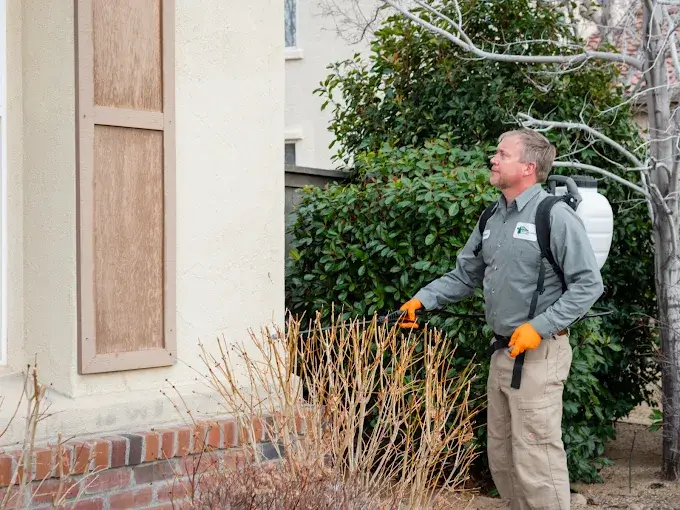
Why Ants Become More Active Indoors During Spring
Ant colonies remain active throughout much of the year, but spring marks a period of rapid expansion. As temperatures warm, colonies increase their foraging efforts to support growth and reproduction. Worker ants begin searching for reliable food sources, which frequently leads them indoors.
Several factors contribute to this seasonal surge:
- Rising temperatures stimulate colony activity. Warmer soil conditions encourage ants to leave their nests and explore new food sources.
- Spring rains push ants toward dry spaces. Moisture outdoors can force colonies to search for sheltered environments such as kitchens or wall voids.
- Food availability indoors attracts scouting ants. Even small crumbs, grease residues, or sugary spills can draw attention from foraging ants.
- Colonies expand rapidly in spring. Larger populations require more food, increasing the number of workers traveling into homes.
When ants locate a reliable food source, they leave behind pheromone trails that guide other workers to the same location. This is why homeowners often see long lines of ants moving in a consistent path across kitchen surfaces.
What Attracts Ants Into Kitchens In The First Place
Ants are efficient foragers. Once a scout discovers food or moisture, it communicates that discovery to the rest of the colony. Kitchens often provide ideal conditions for these discoveries.
Common attractants include:
- Sugary residues on countertops or appliances
- Crumbs near food preparation areas
- Pet food bowls left out overnight
- Moisture near sinks, dishwashers, or plumbing
- Garbage containers that are not sealed tightly
Even very small amounts of food can sustain a trail of ants for long periods. Because ants communicate using scent trails, removing the visible ants rarely stops the problem if the underlying attractant remains.
Another factor is accessibility. Tiny gaps around windows, doors, or utility lines allow ants to enter easily while remaining hidden from view. Once inside, they travel along edges of cabinets, baseboards, and walls until they reach food sources.
Understanding these entry patterns is an important part of effective ant control because eliminating the visible trail alone rarely solves the root cause.
Why Ant Trails Keep Returning Even After Cleaning
Many homeowners clean the area where ants appear and assume the problem is resolved. Yet within hours or days, the ants often return. This happens because the colony itself remains active nearby.
Several biological behaviors explain why ant trails persist:
- Colonies send repeated scouting ants. Even after a trail is disrupted, scouts continue searching for food.
- Pheromone trails remain detectable. Standard cleaning may not fully remove the chemical signals ants follow.
- Nests are usually hidden outdoors or inside walls. The ants seen in the kitchen represent only a small portion of the colony.
- Multiple satellite colonies may exist. Some species divide into several nesting areas that continue supplying workers.
Because the visible ants are only a small part of the population, effective ant control typically focuses on locating colony sources and interrupting the foraging system rather than treating individual trails.
Professionals often approach this by analyzing how ants move through a property, identifying nesting zones, and applying targeted treatment strategies that affect the entire colony.
For a broader overview of how pest professionals approach different infestations, homeowners sometimes explore information about pest management services to understand how inspection and treatment programs work.
Practical Steps That Help Reduce Ant Activity Indoors
While complete colony elimination often requires professional treatment, certain household practices can reduce the conditions that attract ants indoors. These actions help limit food availability and reduce access points.
Key prevention steps include:
- Keep countertops and floors free of crumbs or sticky residues.
- Store pantry items in sealed containers.
- Rinse dishes and avoid leaving food in sinks overnight.
- Wipe spills quickly, especially sugary liquids.
- Seal small gaps around windows, doors, and utility lines.
- Empty trash regularly and keep lids tightly closed.
Moisture control also plays an important role. Ants often seek water as much as food, so repairing small leaks and drying damp areas around sinks can reduce their interest in indoor spaces.
Even with careful prevention, ants may still appear when nearby colonies are well established. In these cases, professional ant control strategies are often necessary to identify nesting areas and apply treatments that disrupt the colony itself.
Homeowners who want to better understand how experienced pest professionals evaluate infestations sometimes review information about the company behind these methods through the experienced pest specialists section, which outlines how technicians approach inspections and long-term pest management.
When Professional Ant Control Becomes Necessary
Occasional ants can appear in almost any home, but repeated trails or large numbers often indicate a nearby colony that has already established a routine path indoors.
Certain signs suggest the need for professional ant control:
- Ant trails appearing daily despite cleaning efforts
- Multiple entry points throughout the kitchen or pantry
- Large numbers of ants appearing suddenly
- Recurring infestations each spring
Professional technicians typically begin with a detailed inspection of the home and surrounding property. This helps identify entry points, nesting zones, and the species involved. Different ant species require different treatment strategies, so accurate identification plays an important role in long-term control.
Treatments may include targeted applications around entry points, treatments near nesting areas, and monitoring techniques that interrupt the colony’s foraging cycle. These approaches focus on eliminating the source rather than simply removing visible ants.
Over time, this strategy reduces the likelihood of trails reforming inside the home.
When Ant Trails Become a Pattern, It May Be Time for Expert Help
Spring ant activity can quickly escalate when colonies discover a reliable food source indoors. Addressing the problem early helps prevent larger infestations from developing as the season progresses.
Homeowners dealing with persistent ant activity can contact Sierra Pest Control to learn more about professional inspection and treatment options designed to address the source of the infestation and restore a comfortable kitchen environment.